

How to Build a World
(When you're stuck in your own)

Greetings from Las Vegas!
I’m writing from Caesar’s Palace, where the air conditioning is so aggressive that I’ve eaten hot soup three days in a row (tortilla, French onion, ramen) even though it is summertime and we are in the desert.
BOOK STUFF
The Stone Witch of Florence arrives in paperback August 5th, and she’s a beaut!
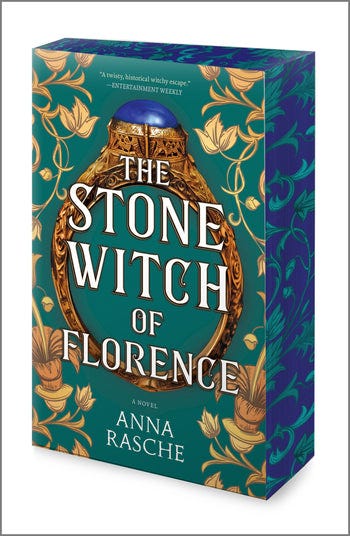
There are plans in the works for a little celebratory event in Brooklyn, stay tuned for details.
And now…
Literary World-Building sans Travel
I came out to Las Vegas for the Historical Novel Society of North America’s biannual conference (highly recommend for any HistFic authors), and was honored to sit on the “Immersive World-Building” panel with Cynthia Reeves, Fiona Davis, Brock Meier, and Sarah Penner.
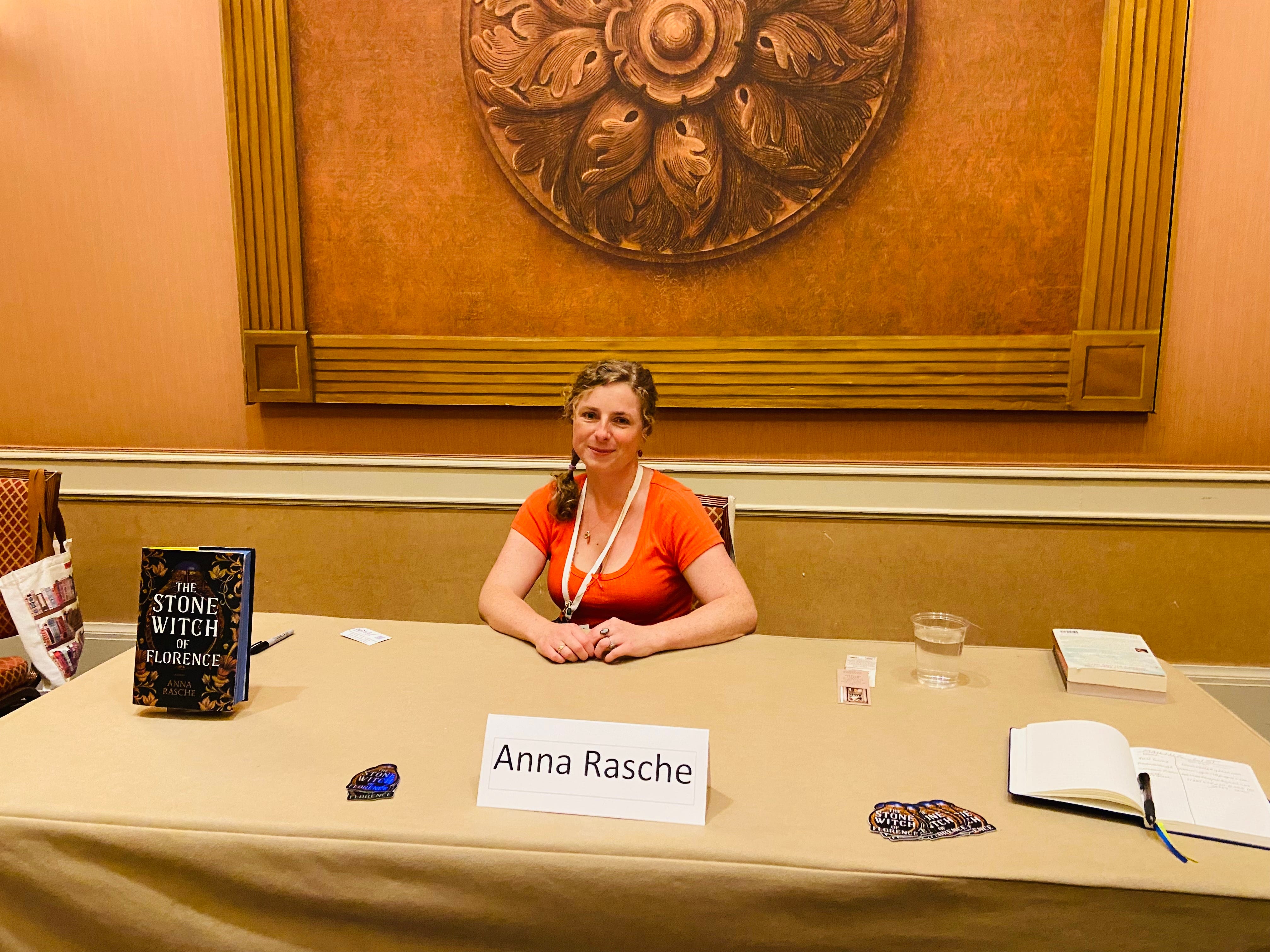
An attendee asked us: Is it necessary for an author of historical fiction to travel in order to write evocatively about a specific place?
My answer was “not necessarily.” Here’s why:
While research travel is ideal, it’s not always feasible. Life gets in the way for myriad reasons, and the inability to travel should not stop somebody from exploring their curiosity and excitement about faraway places.
Now, this does not mean research should be limited to the internet. An immersive novel touches on all five senses, rendering them for the reader in vivid technicolor. This won’t happen if an author never gets up from their computer (believe me, I am lazy and have tried).
So, what to do if your novel is set in ancient Rome but you can’t get to Italy (or back in time to 100 CE, for that matter)? To start, you might visit the nearest city to your home. There, you may find yourself on a busy street, surrounded by conversation in languages you don’t understand. You amble along, jostled by crowds and unsure if you’re going the correct way. You encounter odors both pleasant and unpleasant. Your eyes travel up the marble facades of old buildings, their intricate cornices now colonized by pigeons who coo down at you. The polluted dust settles on your face and coats your fingertips, and when a thundercloud bursts you dip into a dim tavern and order a drink from the surly old tender.
Then you go home, sit back down at the computer, and integrate these lived experiences into the historic and cultural fabric you have so carefully researched at the library and online.
There are many fun research experiments to try.
You could listen to a song, cook a recipe, try on a garment, attend a protest, or go to church. Brock, whose novel The Stonecutter takes place in ancient Arabia, had never smelled the frankincense that was so integral to his story. So he bought some and burned it around his home as incense for weeks.
The prologue of Stone Witch is set in plague-decimated Genoa at the height of summer. Though I was lucky to travel extensively for this book, I never made it up to Liguria. I meant to go, but Covid got in the way.
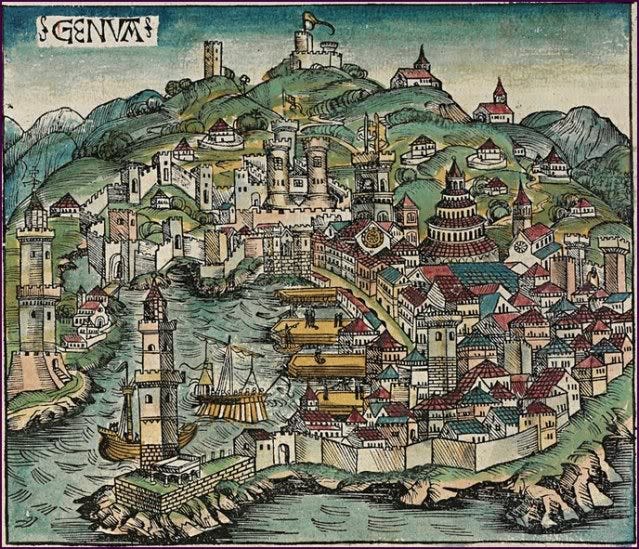
So I researched Genoa as well as I could from afar. I thought of all the wicked Julys I’ve spent in New York City, how the air feels and smells (not great). I remembered the night I walked through Central Park at dusk, and all of a sudden the rats came out of their dens to run freely on the paths that were meant for humans. You can read the resulting scene for free here, if you’d like.
I’m not claiming that I created the most perfectly-accurate rendering of plague-time Genoa that ever existed (as if such a thing could exist!). But the world portrayed on the pages intrigued an agent enough for her pick it out of the slush pile, and read the rest of the story.

Love this, shared it in the LWS Historical Fiction Room. Thanks so much!