

Magical Amethysts
Paperback Cover Reveal + Magical Amethysts + March Madness for Books

Greetings from the Year of the Snake!
BOOK UPDATES
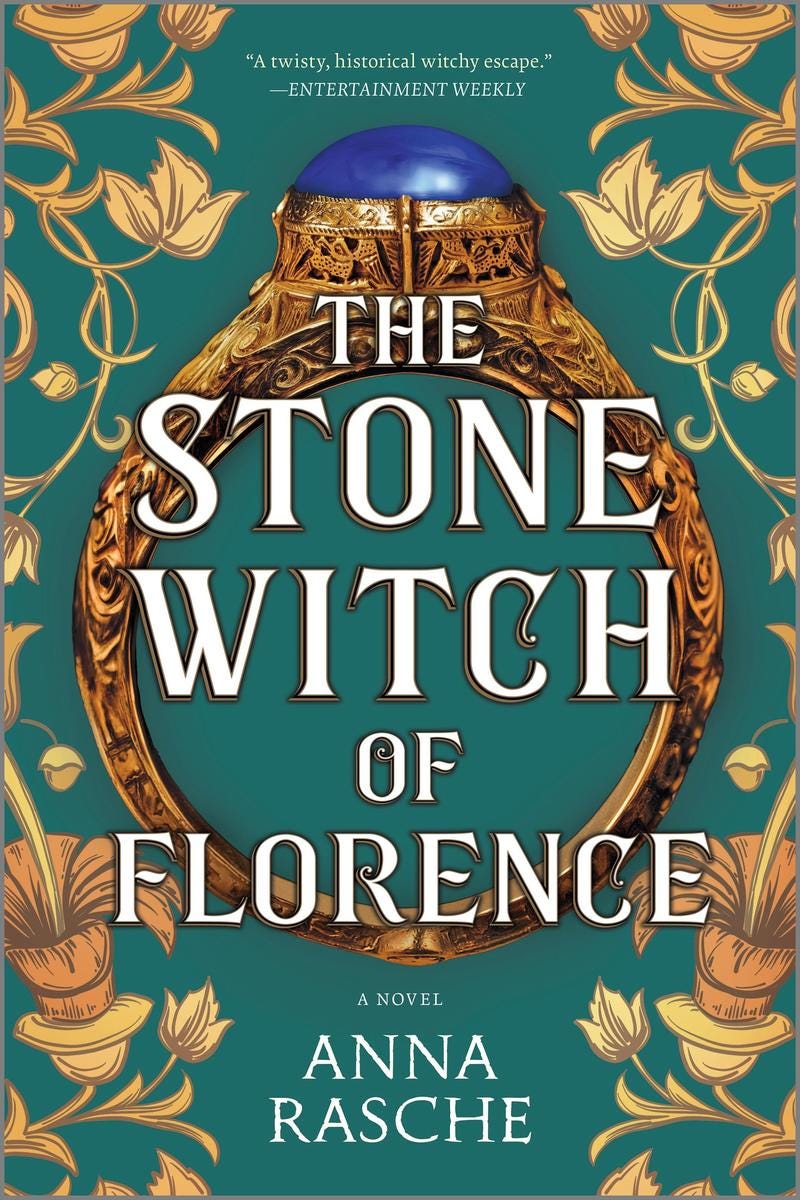
STONE WITCH PAPERBACK COVER REVEAL!
She’s green and she’s hitting shelves on August 5th 🐍🐍🐍
MEANWHILE IN CANADA…
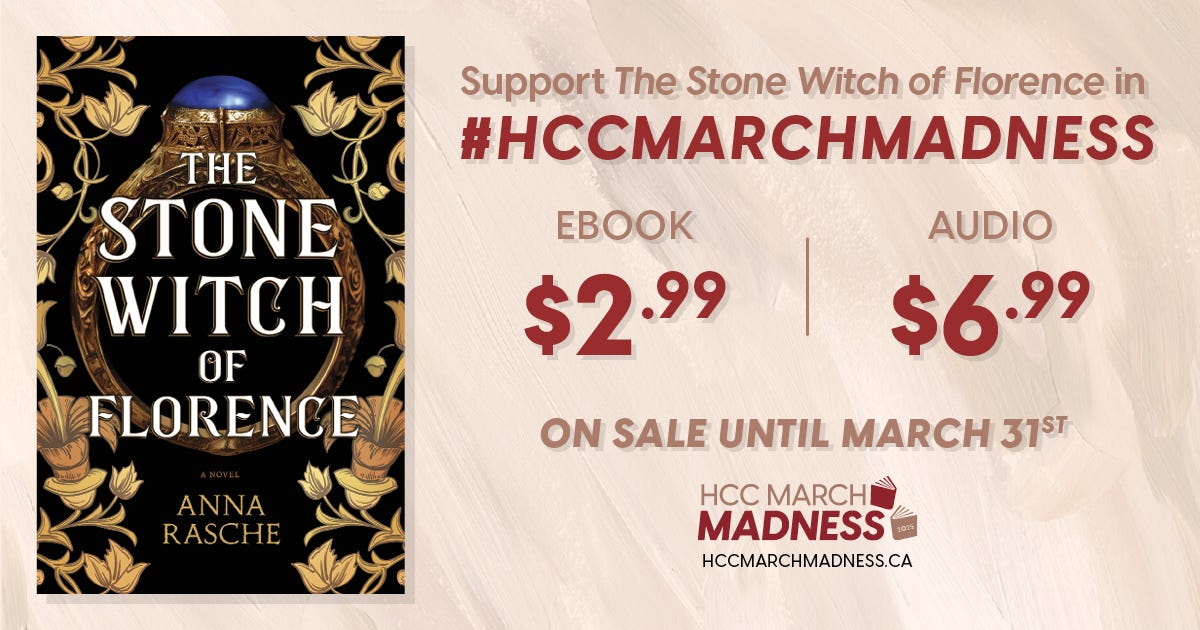
The Stone Witch of Florence is having an amazing run in Canada, and has earned a coveted spot in HarperCanada’s March Madness bracket! (As somebody who was a mediocre athlete in high school, this is exceedingly vindicating).
How it works:
The Stone Witch of Florence Audio & Ebooks are on super-sale for the entire month of March.
Beginning March 9th, readers vote here for their favorite books to advance to the next round. Casting a vote = a chance to win free books!
May the best book win!
A ROUGH DIAMOND
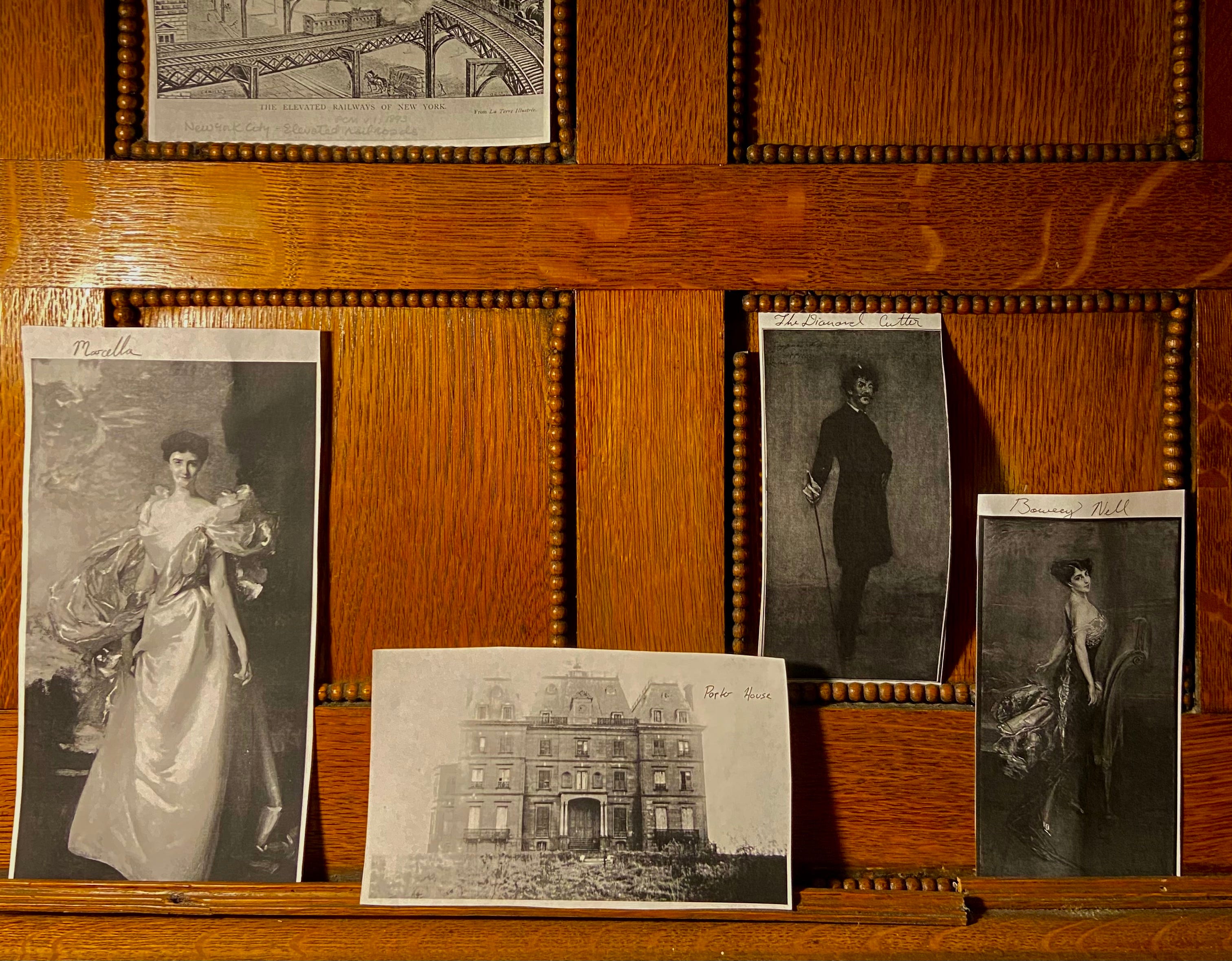
My personal deadline to complete a rough draft of The Midnight Diamond is coming up. Because Stone Witch was a side project, I often took weeks away from writing, pondering plot or waiting for inspiration to strike. Now that I have a real and contractual deadline it’s a different story (ha!), and I have to show up and be productive every day. I even pinned up character portraits behind my desk so they can glare at me and keep me accountable.
Author friends, how do you stay on track when the writing gets rough?
And now…
A MAGICAL HISTORY of THE AMETHYST
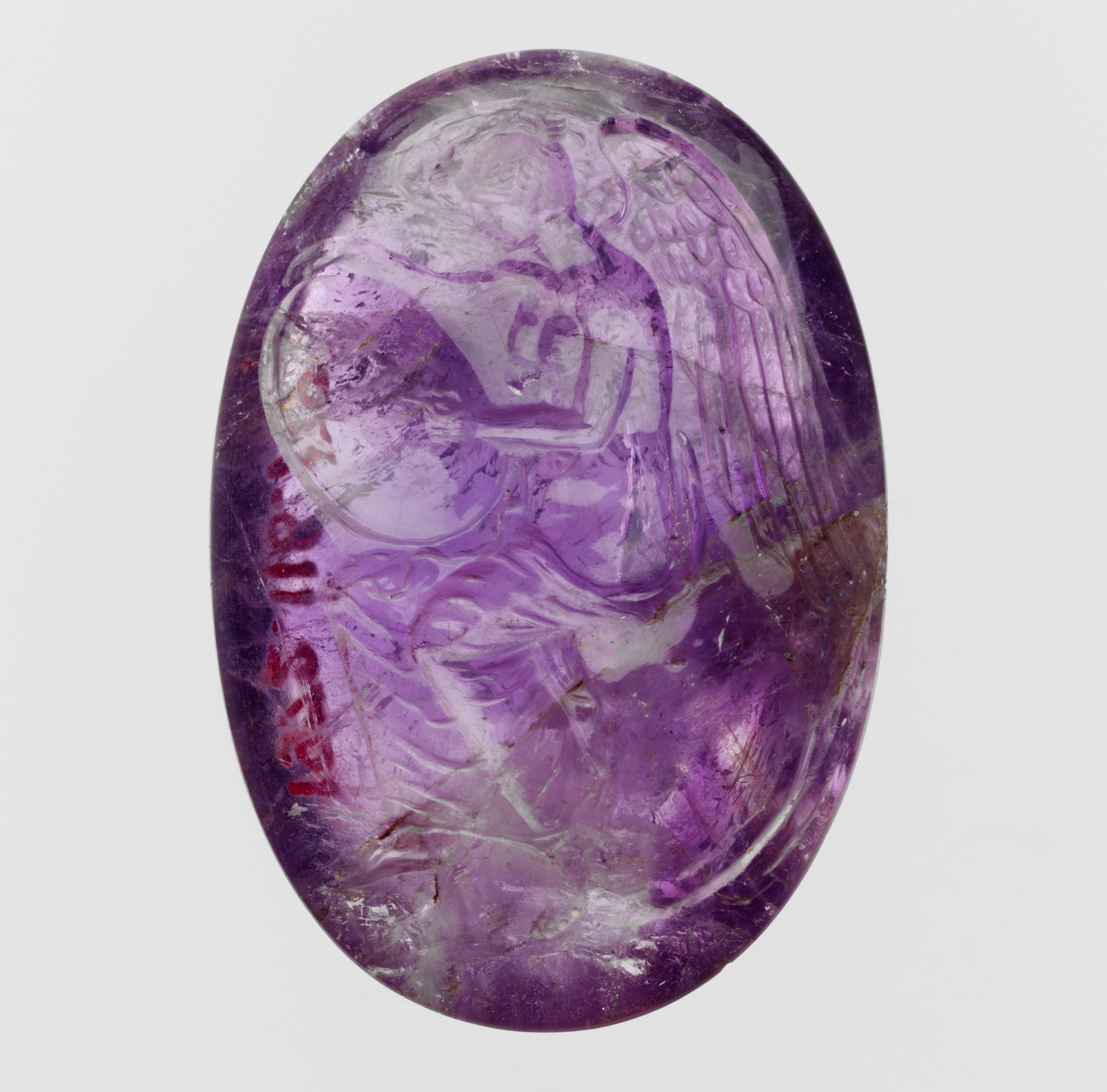
Last week I had a wonderful time visiting Snug Books in Baltimore as a special guest at their February book club. One of the readers asked me how the medieval gem lore in Stone Witch relates to contemporary crystal healing. An excellent question!
So, here’s a deep dive into the history of the amethyst, February’s birthstone, to show how the dots are connected:
Amethyst is the the violet, crystalline variety of the mineral quartz. It’s lovely, readily available, and has been used in jewelry all over the world for many thousands of years. The name“amethyst” is Greek, and means “not drunk.” As (one version of) the myth goes:
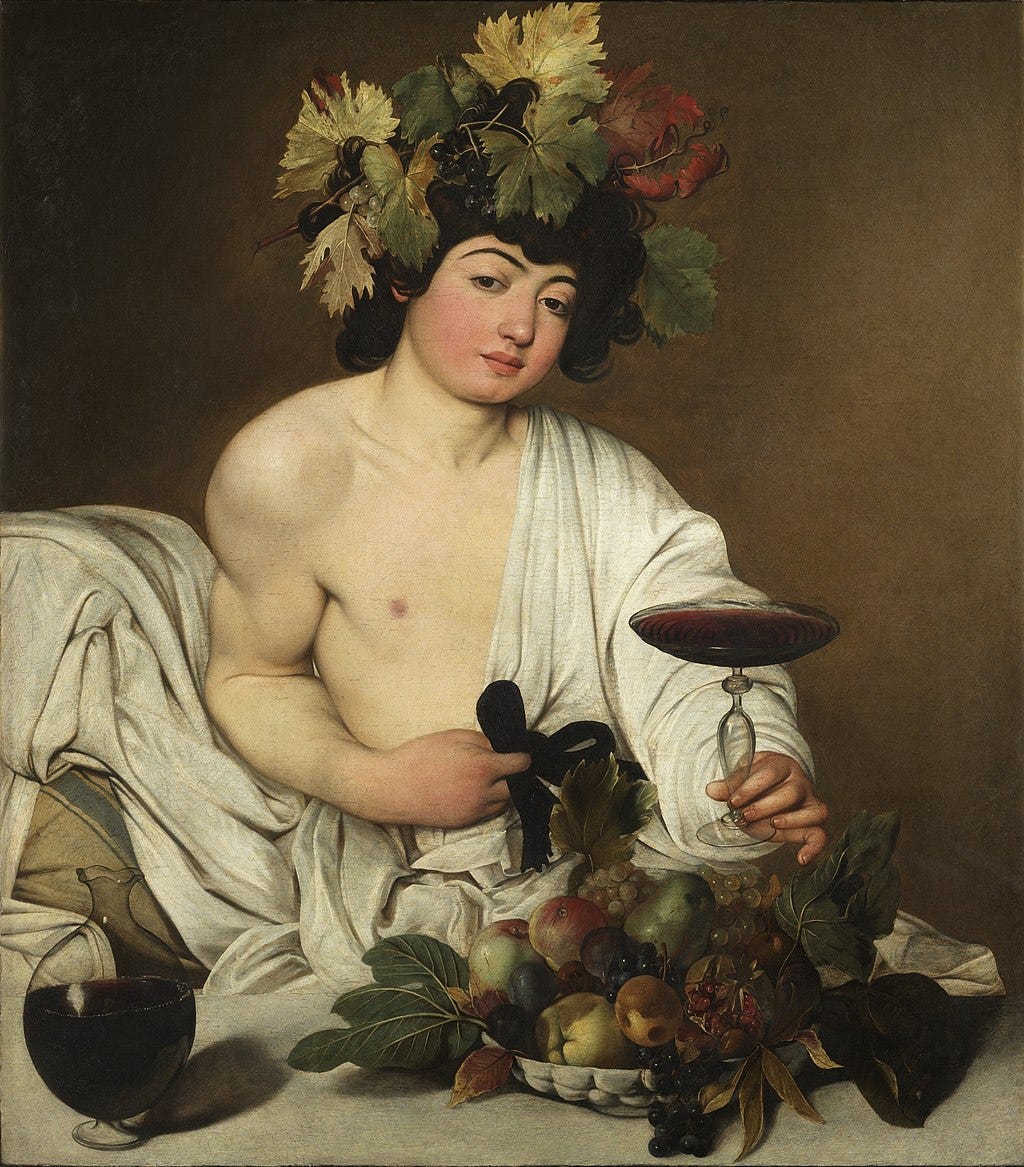
Dionysus came upon a snake drinking the juice of wild grapes in the woods, thought it looked delicious, and so claimed the vine as his own. He quickly built the first wine press and got absolutely blotto with a bunch of satyrs. Trees were torn down. Nymphs were hassled. Dionysus’ grandmother, Rheia, thought it was time to calm down. So she gave her grandson an amethyst, “which preserves the winedrinker from the tyranny of madness.”
The belief that amethyst could prevent intoxication persisted through the centuries and was recorded, along with many other magical properties, by a skeptical Pliny the Elder in his Natural History c. 79 AD:
“The falsehoods of the magicians would persuade us that [amethysts] are preventive of inebriety, and that it is from this that they have derived their name. They tell us also, that if we inscribe the names of the sun and moon upon this stone, and then wear it suspended from the neck, with some hair of the cynocephalus* and feathers of the swallow, it will act as a preservative against all noxious spells. It is said too, that worn in any manner, this stone will ensure access to the presence of kings; and that it will avert hail and the attacks of locusts, if a certain prayer is also repeated which they mention.”
Doubting Pliny notwithstanding, medieval scribes and doctors continued to value the amethyst for it’s supernatural healing abilities. From The Book of Minerals, written by the Dominican friar Albertus Magnus in the 13th Century:
[Amethyst] counteracts drunkenness…it keeps one awake [at night] and represses evil thoughts, and confers a good understanding of what is knowable.
Today, amethysts are touted by crystal healing websites as calming stones that help sooth the mind and channel inner peace. As a stone that brings tranquility and clear-headedness, one might even say that amethyst has a sobering effect. And there is the thread that stretches all the way back to Rheia’s amethyst, the one that pulled Dionysus out of his first, wild intoxication.
*A cynocephalus might refer either to a baboon or a man with the head of a dog